injectables
Botox vs Filler What's the Difference? A Complete Guide
Lior Masphor · August 6, 2026
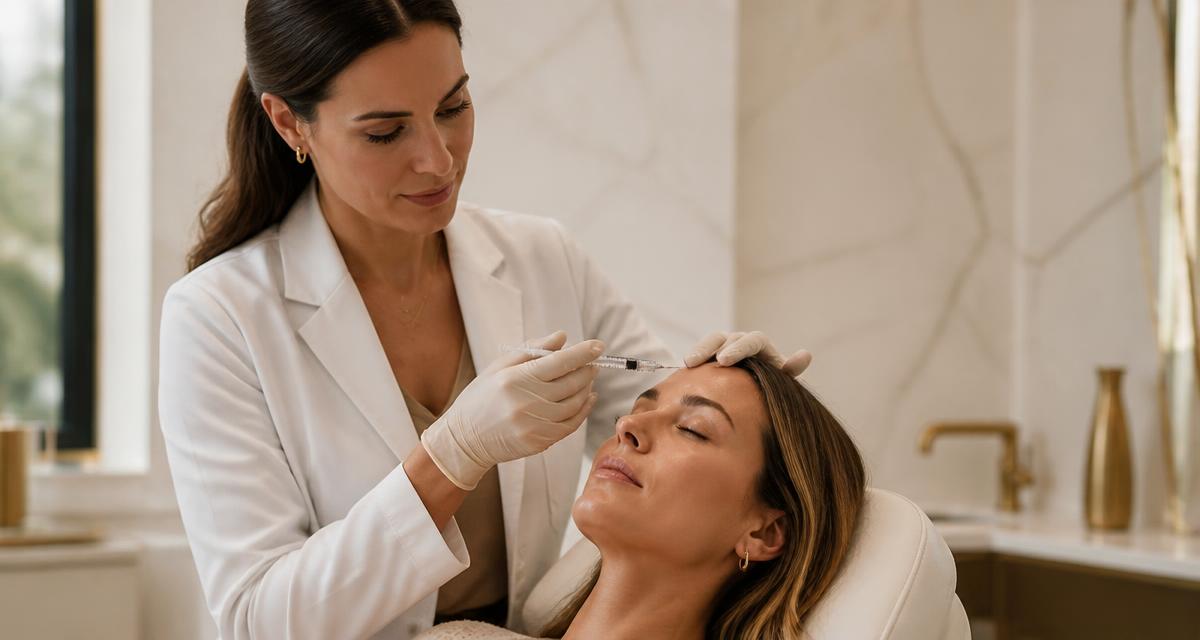
In the world of modern aesthetics, few topics spark as much curiosity—and occasional confusion—as injectable treatments. Whether you are stepping into a medical spa for the very first time or refining your long-term skin health regimen, understanding botox vs filler what's the difference is the foundational step toward achieving natural, harmonized results.
At No Filter Medical Spa, located in the vibrant heart of Brickell, Miami, our philosophy centers on subtle, elevated transformations that accentuate your natural features without looking artificial or overdone. While both Botox and dermal fillers fall under the umbrella of non-surgical injectables, they rely on entirely different mechanisms, address distinct structural concerns, and follow unique maintenance timelines.
Botox vs. Filler: A Quick Overview of Each Option
To appreciate how these two popular modalities complement each other, it is helpful to look at each option independently.
Understanding Botox and Neuromodulators
Botox (botulinum toxin type A) belongs to a class of aesthetic injectables known as neuromodulators or neurotoxins. Its primary function is to temporarily relax targeted underlying facial muscles. Throughout the day, our faces perform thousands of micro-expressions—frowning, laughing, squinting, and furrowing the brow. Over time, these repetitive movements pull on the skin, creating creases that gradually deepen.
By gently interrupting the nerve signals that prompt specific muscle contractions, Botox allows the overlying skin to relax and smooth out, helping to soften existing expression lines and prevent deeper creases from forming.
Understanding Dermal Fillers
Dermal fillers, by contrast, are injectable gels typically formulated with hyaluronic acid—a naturally occurring sugar molecule in the human body that attracts and retains moisture. As part of the natural aging process, facial structure undergoes shifts: collagen production slows, subcutaneous fat pads diminish, and underlying bone reabsorbs slightly.
Fillers act as a physical scaffold beneath the skin. They are designed to replenish lost volume, refine facial contours, smooth deeper static folds, and restore structural balance to areas that have softened over time.
The Fundamental Difference: Muscle Relaxation vs. Volume Restoration
The simplest way to differentiate between the two comes down to cause versus effect: Botox addresses motion, while dermal fillers address structure.
- Dynamic Lines (The Domain of Botox): Dynamic wrinkles appear when your face is actively moving. Think of horizontal forehead lines, the vertical frown lines between your brows (often called the "11s"), and the delicate crow's feet around the outer eyes when you smile. Because these lines are directly caused by underlying muscle activity, relaxing the muscle with a neuromodulator is the most direct way to smooth them.
- Static Lines and Shadowing (The Domain of Fillers): Static wrinkles and structural hollows are visible even when your face is completely at rest and motionless. Examples include deep smile lines running from the nose to the mouth (nasolabial folds), downturned corners of the mouth (marionette lines), sunken cheeks, under-eye tear troughs, or thin lips. Fillers physically restore lost tissue volume to soften these shadows and re-establish youthful contours.
When reviewing our treatment menu, clients often discover that the most cohesive aesthetic outcomes do not choose one modality over the other. Instead, they strategically combine both to treat movement-based lines and volume loss simultaneously.
Timelines, Upkeep, and Key Considerations
When mapping out your personal aesthetic calendar, understanding the onset, peak effect, and longevity of each option allows for seamless, stress-free upkeep.
Botox Timelines and Maintenance - Onset of Action: Results from neurotoxins are gradual. Most individuals begin to notice a softening of muscle movement within 3 to 5 days, with full, peak results manifesting around 14 days post-treatment. - Duration: On average, neurotoxin treatments maintain their effect for approximately 3 to 4 months. As muscle function naturally resumes, expression lines will gradually reappear. - Upkeep Strategy: Consistency is key with neuromodulators. Regular maintenance appointments every 3 to 4 months help keep muscles relaxed, preventing lines from becoming deeply etched into the skin.
Dermal Filler Timelines and Maintenance - Onset of Action: Dermal fillers offer nearly immediate structural volume. However, because mild swelling or settling can occur, your final, integrated result is typically best evaluated after 2 to 3 weeks. - Duration: Depending on the specific formulation used, the cross-linking technology, and the area treated, dermal fillers can last anywhere from 6 to 18 months—and sometimes longer in low-movement areas. - Upkeep Strategy: Because hyaluronic acid fillers degrade slowly over time, soft touch-ups are usually scheduled once a year to preserve baseline contour without over-filling.
How Aesthetic Providers Determine the Right Approach
During an evaluation, an experienced aesthetic provider views the face holistically rather than focusing on isolated wrinkles. To understand how we craft individual treatment plans, explore our approach to natural cosmetic enhancement.
Here is how an expert provider typically approaches the decision:
- Upper Face vs. Mid/Lower Face: As a general rule, the upper third of the face (forehead, brows, eye area) responds exceptionally well to Botox, as it is heavily driven by dynamic expressional muscles. The mid and lower regions of the face (cheeks, jawline, lips, and lower folds) usually benefit more from the supportive volume of dermal fillers.
- Dynamic vs. Static Analysis: Your provider will ask you to make several facial expressions—smiling, frowning, raising your brows—to see which lines disappear when the face relaxes and which remain static.
- Proportional Harmony: The goal is always balance. Softening dynamic movement on the upper face while restoring subtle, natural volume in the mid-face creates a refreshed, rested look that maintains full, authentic expressiveness.
What to Discuss During Your Consultation in Brickell
Your face is completely unique, and your aesthetic journey should reflect your personal goals and individual anatomy. During your private consultation at No Filter Medical Spa in Brickell, Miami, your practitioner will evaluate your facial structure, discuss your lifestyle, and outline a tailored plan.
Here are a few insightful questions to bring to your appointment: - Which areas of my face are showing dynamic movement versus structural volume loss? - What level of subtle enhancement aligns best with my overall lifestyle? - How can we sequence my treatments over the coming year for the most natural progression? - What simple post-care steps should I follow to protect my results in Miami’s climate?
By taking a thoughtful, educational approach to injectables, you can feel confident in decisions that enhance your natural beauty with precision and care.
Ready to discover the ideal treatment plan for your aesthetic goals? We invite you to visit No Filter Medical Spa in Brickell, Miami. Book your personalized consultation today and let our expert clinical team guide you toward radiant, filter-free confidence.
Results may vary from person to person depending on individual anatomy, metabolism, and lifestyle factors. The information provided in this article is strictly for educational purposes and should not be interpreted as medical advice or guarantees. Always consult with a qualified, licensed healthcare provider prior to undergoing any injectable or aesthetic treatment.
This article is for general education only. It is not medical advice, results vary from person to person, and you should consult a licensed provider before starting any treatment.
Book a Consultation