skin
Chemical Peel for Hyperpigmentation: The Essential Guide
Andrew Lester · August 1, 2026
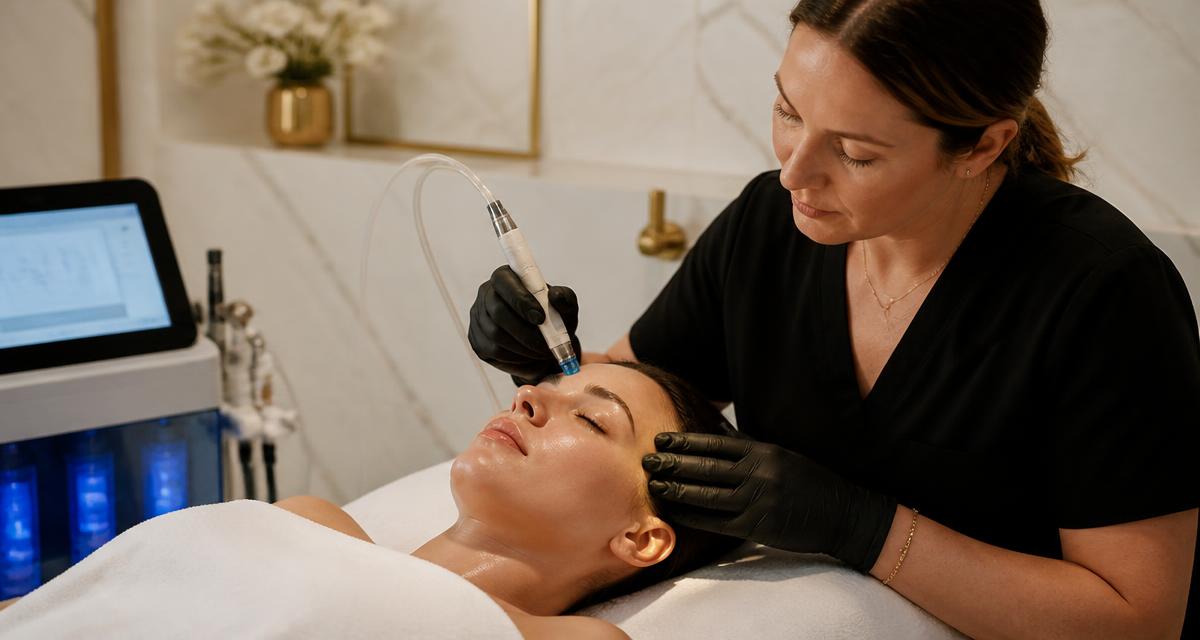
Living in Miami means soaking up beautiful year-round sunshine, but it can also take a quiet toll on our skin. Sun exposure, hormonal fluctuations, and past acne breakouts frequently leave behind dark spots, uneven patches, and localized discoloration. If you have ever spent time looking in the mirror wondering how to smooth out these stubborn shadows, you have likely come across the concept of a chemical peel for hyperpigmentation.
At No Filter Medical Spa, located in the heart of Brickell, we believe that understanding your skin’s biological processes is the first step toward achieving your aesthetic goals. A chemical peel is not merely a superficial exfoliation; it is a refined, science-backed skin resurfacing modality designed to address discoloration deep within the epidermal layers.
In this comprehensive guide, we will break down what chemical peels actually are, how they target hyperpigmentation step by step, who benefits most from them, and what you should expect during an in-office treatment session.
What a Chemical Peel for Hyperpigmentation Actually Is
In plain language, a chemical peel is a topically applied clinical solution designed to gently dissolve the chemical bonds holding dead, damaged skin cells together on the surface. When these compromised outer layers are released, the body naturally responds by revealing fresher, healthier tissue beneath.
Hyperpigmentation occurs when melanocytes—the cells responsible for producing pigment (melanin)—become overactive. This overactivity can be triggered by several factors: - UVA and UVB Radiation: Sun exposure creates localized clusters of excess melanin, commonly referred to as sun spots or age spots. - Hormonal Changes: Conditions like melasma cause broader, symmetrical patches of discoloration, often across the cheeks, forehead, or upper lip. - Inflammation: Known as post-inflammatory hyperpigmentation (PIH), these dark marks remain long after an acne lesion, scrape, or rash has healed.
When formulated specifically for hyperpigmentation, a chemical peel utilizes targeted chemical compounds—such as glycolic acid, lactic acid, salicylic acid, mandelic acid, or trichloroacetic acid (TCA)—to lift excess pigment while inhibiting the pathways that produce new dark spots.
How a Pigment-Correcting Chemical Peel Works, Step by Step
Addressing stubborn discoloration requires a multi-layered approach. A clinical peel works through several sequential mechanisms:
1. Desquamation and Surface Exfoliation The topically applied acid solution breaks down the intercellular lipid "glue" that binds hyperpigmented dead cells to the stratum corneum (the outermost skin layer). This initiates a uniform shedding process.
2. Melanin Dispersal As old cells are loosened, accumulated clusters of excess melanin are pulled toward the surface and gradually sloughed away over the days following treatment.
3. Tyrosinase Inhibition Many clinical-grade peel formulations include specialized brightening agents (such as kojic acid, azelaic acid, or vitamin C) that suppress tyrosinase—the key enzyme necessary for melanin production. This helps prevent new discoloration from forming during the healing window.
4. Cellular Turnover and Collagen Renewal By accelerating the natural cycle of cell renewal, the peel encourages fresh, evenly pigmented cells to rise to the surface while stimulating delicate collagen synthesis within the deeper skin layers.
Who Is Typically Considered for This Treatment?
A targeted chemical peel for hyperpigmentation is a versatile treatment suitable for a wide range of individuals seeking a clearer, more luminous tone. You may be a great candidate if you are looking to address:
- Persistent sun spots or freckling caused by UV exposure.
- Stubborn melasma patches that have not responded well to over-the-counter topical serums.
- Post-acne marks (PIH) that linger months after breakouts clear.
- Dull, uneven skin texture alongside superficial tonal irregularities.
Skin tone and Fitzpatrick scale classification are critical considerations when choosing a chemical peel. Deeper skin tones require carefully tailored formulations—such as mandelic acid or lower-concentration TCA blends—to prevent triggering secondary post-inflammatory hyperpigmentation. A thorough consultation with a qualified practitioner ensures the chosen formulation matches your unique skin architecture safely and effectively.
What an In-Office Session Generally Looks Like
If you are considering booking a visit through our treatment menu, knowing what to expect during a clinical peel session can help you feel confident and relaxed.
- Skin Cleansing and Preparation: Your practitioner cleanses the skin thoroughly to remove all surface oils, makeup, and debris, ensuring even absorption of the peel solution.
- Application: The peel solution is applied evenly across the target area using specialized tools. You may experience a mild warming, tingling, or itching sensation lasting a few minutes.
- Neutralization or Activation: Depending on whether the peel is self-neutralizing or time-dependent, the practitioner will either neutralize the formula with a calming agent or leave it on to absorb.
- Post-Treatment Protection: A soothing recovery balm and broad-spectrum SPF are applied to protect your newly delicate skin before you leave.
Over the next 3 to 7 days, your skin may undergo subtle tight feeling, mild redness, and visible flaking or peeling. This shedding phase is completely normal as the compromised pigment lifts away.
Key Questions to Ask Your Licensed Aesthetic Provider
Before undergoing any resurfacing procedure, having an open conversation with a trained expert is essential. Consider asking the following questions during your clinical evaluation:
- Which chemical peel depth and acid combination are best suited for my specific type of hyperpigmentation?
- How should I prepare my skin at home in the weeks leading up to my peel?
- What is the anticipated downtime, and what post-care products should I use to protect my results?
- How many sessions do you recommend to achieve my ideal skin clarity?
At No Filter Medical Spa, our dedicated aesthetic team takes the time to assess your skin health holistically, designing customized protocols that deliver gorgeous, natural results safely.
Reveal Your Most Radiantly Even Complexion
Hyperpigmentation does not have to dictate how you feel about your bare skin. Whether you are addressing years of South Florida sun exposure or stubborn post-acne marks, a tailored chemical peel offers an effective, refined path toward balanced, glowing skin.
Ready to elevate your skin health? We invite you to schedule a personalized consultation with our expert providers at No Filter Medical Spa in Brickell, Miami. Let us help you reveal a clear, confident complexion without the need for filters.
Disclaimer: Individual results may vary based on skin type, tone, hyperpigmentation severity, and adherence to post-treatment care. The information provided in this article is for educational purposes only and should not be taken as medical advice. Always consult with a licensed aesthetic provider or healthcare professional before undergoing any cosmetic treatment.
This article is for general education only. It is not medical advice, results vary from person to person, and you should consult a licensed provider before starting any treatment.
Book a Consultation