injectables
Dermal Filler vs Botox Differences: An Aesthetic Guide
Ashley Thompson · September 12, 2026
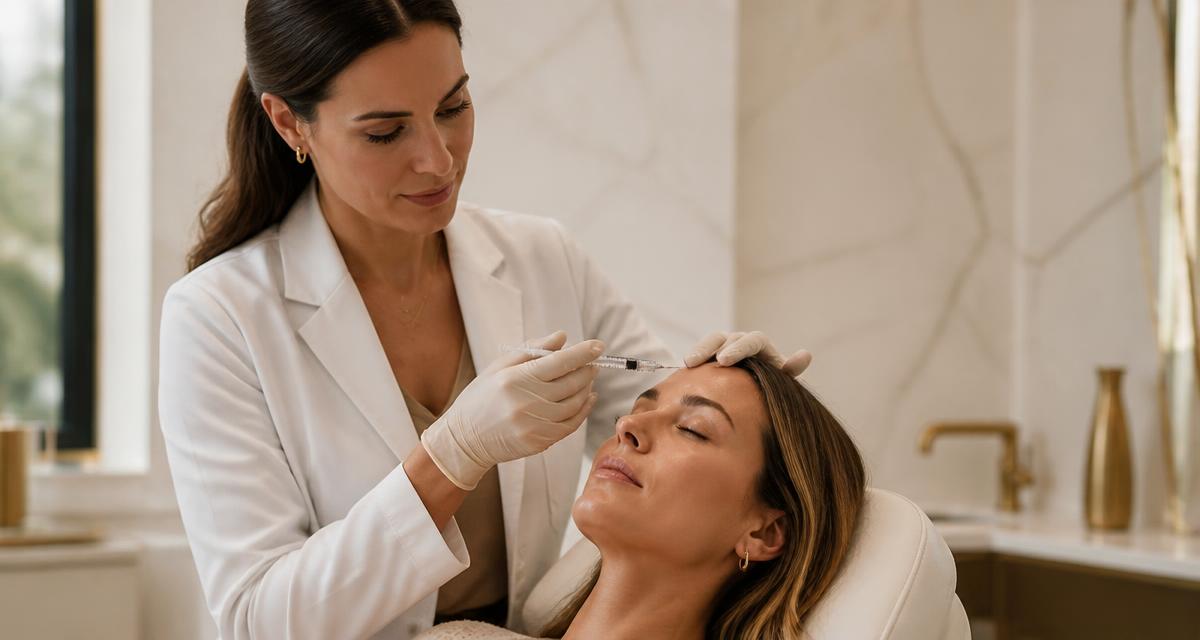
When evaluating subtle aesthetic enhancements, two names consistently dominate the conversation: Botox and dermal fillers. While both fall under the umbrella of non-surgical injectables, they fulfill entirely distinct roles in facial rejuvenation. Understanding the key dermal filler vs botox differences allows you to approach your aesthetic journey with clarity, confidence, and realistic expectations.
At No Filter Medical Spa, located in the vibrant heart of Brickell, Miami, we believe educated clients make the best decisions for their skin. Whether you are looking to smooth fine lines across your forehead or restore lost volume in your cheeks, knowing how these treatments operate independently—and how they can work in harmony—is the first step toward achieving your goals.
Understanding Dermal Fillers and Botox: A Quick Overview
To appreciate how these treatments differ, it helps to understand what each injectable actually is and how it interacts with facial anatomy.
Botox is a purified neuromodulator designed to temporarily relax specific facial muscles. When you smile, frown, or squint, the underlying muscles contract, causing the skin above them to crease. Over time, these repeated movements form dynamic wrinkles—lines that appear during facial expressions and eventually settle into the skin at rest. Botox works by subtly signaling those muscles to soften their contractions, allowing the overlying skin to smooth out.
On the other hand, dermal fillers are injectable gels—most commonly formulated with hyaluronic acid, a naturally occurring sugar molecule in the body that attracts moisture. Instead of affecting muscle movement, fillers are designed to restore structural support, replenish volume, and refine facial contours. They physically occupy space beneath the skin to lift tissue, smooth out deep structural folds, or subtly enhance features like the lips and jawline.
Core Dermal Filler vs Botox Differences
While both treatments are delivered via quick, minimally invasive injections, their mechanisms, primary treatment areas, and visual outcomes differ substantially.
1. Mechanism of Action Botox: Targets muscle activity. It prevents the repetitive creasing that leads to surface lines. Dermal Fillers: Targets volume and structure. They fill in hollow spaces, plump tissue, and add shape where collagen and fat pads have naturally diminished.
2. Primary Treatment Areas Botox: Most frequently utilized in the upper third of the face. Common areas include horizontal forehead lines, vertical frown lines between the brows (the "11s"), and crow's feet around the outer eyes. Dermal Fillers: Typically focused on the mid-to-lower face. Popular application areas include restoring mid-face cheek volume, softening nasolabial folds (smile lines), smoothing marionette lines, sculpting the jawline, and defining the lips.
3. Immediate vs. Gradual Onset Botox: Results require patience. While the micro-injections take only minutes, the neuromodulator gradually settles over several days, with full muscle-relaxing effects visible around 10 to 14 days post-treatment. Dermal Fillers: Results are visible almost immediately. You will notice immediate volume restoration right after your appointment, though final settling occurs over one to two weeks as any mild swelling subsides.
Timelines, Upkeep, and Longevity Considerations
Longevity is another area where the dermal filler vs botox differences become apparent. Maintenance schedules vary based on how the body metabolizes each substance, the placement site, and individual lifestyle factors.
Botox typically offers smooth results for approximately three to four months. As muscle movement gradually returns, clients often schedule routine touch-ups to maintain their refreshed appearance without interruption.
Dermal fillers generally offer longer-lasting outcomes, ranging anywhere from six months to up to two years depending on the specific product formulation and treatment location. Highly mobile areas, such as the lips, tend to metabolize filler faster (often requiring maintenance around 6 to 9 months), whereas structured areas like the chin or cheeks can retain their contour much longer.
Consistent home care, sun protection, and healthy hydration habits also play a supportive role in extending the life of both treatments.
How Aesthetic Providers Choose Between Them
During a comprehensive facial evaluation, experienced aesthetic practitioners rarely view these options as an "either/or" debate. Instead, providers assess the facial canvas holistically to decide which mechanism will achieve the most natural result.
If the primary concern stems from expressive movement—such as deep creasing when raising your eyebrows—a neuromodulator like Botox is the logical choice. If the concern stems from shadow, tissue descent, or loss of plumpness—such as hollow under-eyes or flattening cheeks—dermal fillers provide the necessary lift and cushion.
For many clients seeking overall facial balance, a combined approach yields the most harmonious outcome. Often referred to as a liquid refresh or full-face balance, using Botox for upper-face smoothing while strategically placing dermal filler in the mid-face addresses both dynamic lines and static volume loss simultaneously.
What to Discuss During Your Consultation
Choosing the right injectable routine should always begin with an individualized, in-person consultation. Rather than arriving with a specific syringe in mind, focus on describing your overall aesthetic goals to your practitioner.
Key points to explore during your visit include: Your specific areas of concern (e.g., fine lines vs. lost plumpness). Your desired timeline for results and upcoming events. Your preferred maintenance schedule and long-term aesthetic plan. A review of your medical history to ensure your chosen treatment is completely safe for you.
Exploring our comprehensive treatment menu can give you an overview of available options before meeting with our team at No Filter.
Disclaimer: Results vary from person to person depending on individual anatomy, metabolism, and lifestyle factors. The information provided in this article is for educational purposes only and should not be taken as medical advice. Always consult with a licensed, qualified medical professional prior to undergoing any aesthetic injectable treatment.
Ready to Personalize Your Aesthetic Routine in Miami?
Understanding the nuanced differences between dermal fillers and Botox empowers you to make informed, graceful choices for your skin. At No Filter Medical Spa in Brickell, Miami, our licensed medical professionals specialize in tailored, subtle treatments that highlight your natural features without ever looking overdone. Contact us today to reserve your private consultation and design a custom treatment plan suited to your unique goals.
This article is for general education only. It is not medical advice, results vary from person to person, and you should consult a licensed provider before starting any treatment.
Book a Consultation