injectables
Dermal Fillers for Cheeks: A Guide to Midface Volume
Andrew Lester · August 4, 2026
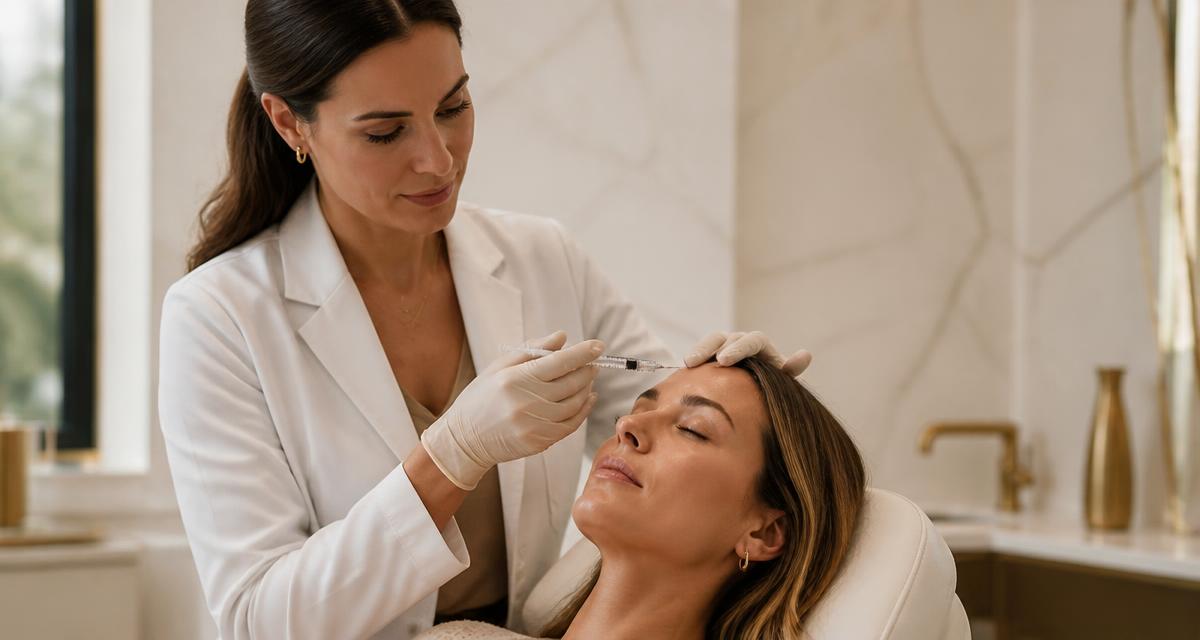
The central architecture of the face relies heavily on the midface—specifically the cheekbones and underlying fat pads—to provide balance, youthful lift, and structural framing. As time passes, or simply due to natural anatomical variation, the cheeks can lose their natural fullness. Bone density gradually shifts, deep fat pads beneath the skin shrink and descend, and collagen production slows down. The result is often a subtly hollowed appearance, a loss of dynamic contour, or an accentuation of the folds around the mouth.
Understanding how dermal fillers for cheeks work allows individuals to make informed decisions about their aesthetic care. Far from creating an unnatural or overly dramatic appearance, modern cheek augmentation focuses on subtle structural restoration, restoring what time has eroded or refining what nature provided.
At No Filter Medical Spa, located in the vibrant Brickell neighborhood of Miami, we believe that education is the first step toward achieving authentic, elegant results. Here is an in-depth look at what cheek dermal fillers are, how they function beneath the surface, and what to consider before booking a consultation.
What Dermal Fillers for Cheeks Actually Are
In plain terms, dermal fillers for cheeks are injectable gels designed to restore volume, enhance definition, and provide structural support to the midface region. The vast majority of cheek fillers used in modern aesthetic practices are formulated with Hyaluronic Acid (HA)—a naturally occurring sugar molecule found within human skin, joint fluid, and connective tissues.
Hyaluronic acid possesses a unique ability to attract and bind water molecules, holding up to 1,000 times its weight in moisture. When manufactured for medical aesthetics, HA is cross-linked into cohesive, stable gels of varying densities and elasticities. High-density fillers, designed specifically for deep placement over the cheekbone (zygoma), behave much like liquid scaffolding. They mimic natural bone and deep fat tissue, lifting the overlying soft tissue without adding artificial bulk.
Unlike surgical procedures that require incisions and tissue repositioning, dermal fillers offer a non-surgical approach to facial harmony. Because hyaluronic acid is bio-compatible, the body gradually absorbs it over time through normal metabolic pathways.
How the Treatment Works, Step by Step
To understand how dermal fillers for cheeks transform the midface, it helps to look at the process from physiological placement to the final visual outcome.
1. Structural Support at the Periosteal Level When placed deeply onto the periosteum (the membrane covering the bone), denser hyaluronic acid formulas create a strong anchor point. This elevates the deep fat pads of the midface, which in turn can soften the appearance of nasolabial folds (the lines running from the nose to the corners of the mouth) by reducing the downward pull of sagging midface tissues.
2. Volumizing the Sub-Orbicularis Oculi Fat (SOOF) Loss of volume in the anterior (front) cheek can create a shadowed or tired appearance under the eyes. Placing softer, flexible hyaluronic acid gels into the midface fat compartments fills in subtle hollows, creating a smooth transition from the lower eyelid to the upper cheek.
3. Lateral Contouring for Definition For individuals seeking improved facial framing, dermal fillers can be positioned along the lateral cheekbone toward the hairline. This creates a subtle highlight and enhances the natural shadow below the cheekbone, accentuating a classic, structured profile.
4. Tissue Integration and Hydration Over the weeks following treatment, the cross-linked hyaluronic acid integrates seamlessly into the surrounding tissue matrix. As it draws local hydration, the area takes on a smooth, natural texture that moves dynamically with your natural facial expressions.
Who Is Typically Considered for Cheek Fillers?
Because the midface dictates so much of overall facial architecture, dermal fillers for cheeks are versatile and suit a wide variety of aesthetic goals. Generally, candidates fall into two main categories:
- Restorative Candidates: These individuals are experiencing age-related volume loss. They may notice that their cheeks appear flatter, their lower face feels slightly heavier, or the area under their eyes looks darker and more hollow due to shifting midface fat.
- Enhancement Candidates: Younger individuals who naturally possess flatter cheekbones often seek fillers to build structural projection, define their midface, and create stronger facial symmetry.
An ideal candidate is an individual in good overall health who maintains realistic expectations about non-surgical aesthetic treatments. During a comprehensive evaluation, our aesthetic team assesses skin elasticity, bone structure, and facial dynamics to ensure that cheek fillers are the appropriate modality for the desired outcome.
What a Typical Session Looks Like
Receiving cheek fillers is a straightforward, outpatient clinical process, but it requires precision and anatomical expertise.
Consultation and Mapping Every session begins with a comprehensive consultation. Your provider evaluates your facial proportion from multiple angles, observing how your midface moves when you speak and smile. The target injection sites are then mapped out strategically to ensure balanced, natural-looking placement.
Preparation and Comfort The skin is thoroughly cleansed with an antiseptic solution. To maximize comfort, a topical numbing cream may be applied, or the provider may use formulations that contain built-in local anesthetics like lidocaine.
Precise Administration Using either an ultra-fine needle or a blunt-tipped micro-cannula (a flexible tube that glides beneath the skin to reduce bruising), the provider precisely deposits small aliquots of filler into the designated anatomical planes. The provider may gently massage the area to shape the product into place.
Immediate Aftercare The entire procedure typically takes between 30 to 45 minutes. You can usually return to your regular daily activities immediately afterward. Minor swelling, localized redness, or temporary tenderness at the injection sites are common and usually resolve within a few days.
Essential Questions to Ask Your Licensed Provider
Selecting a skilled, qualified medical injector is the single most important factor in achieving safe, beautiful results. When researching dermal fillers for cheeks, consider asking your practitioner the following questions during your consultation:
- What specific filler product do you recommend for my facial structure, and why? (Different HA gels offer varying degrees of lift capacity and flexibility.)
- Which injection technique (needle or micro-cannula) do you plan to use for my treatment?
- How do you handle potential complications or asymmetry if adjustments are needed?
- Can you show me before-and-after examples of patients with similar bone structure and age to mine?
- How will cheek fillers complement other non-surgical aesthetic treatments on your services menu?
By having an open dialogue with an experienced medical provider, you ensure that your treatment plan is completely tailored to your unique features.
Disclaimer: Individual results may vary depending on underlying bone structure, age, skin health, and lifestyle factors. The information provided in this article is strictly educational and does not constitute formal medical advice. Always consult with a licensed healthcare provider to determine if dermal fillers are suitable for your specific anatomical needs.
Begin Your Aesthetic Journey in Brickell
If you are interested in restoring lost midface volume or refining your natural contours, our team at No Filter Medical Spa in Miami is here to guide you. We prioritize tailored, subtle enhancements that accentuate your inherent beauty without looking overdone. Contact us today to schedule your personalized consultation at our Brickell practice.
This article is for general education only. It is not medical advice, results vary from person to person, and you should consult a licensed provider before starting any treatment.
Book a Consultation