skin
How to Fade Hyperpigmentation Safely: A Complete Guide
No Filter Medical Spa · September 18, 2026
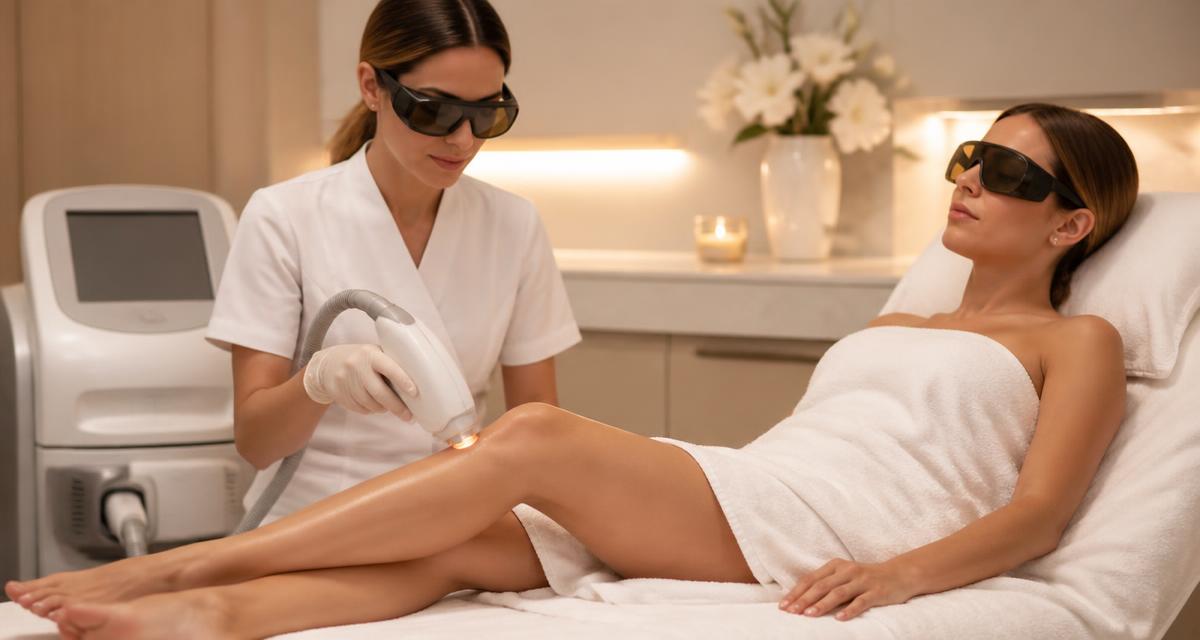
Living in Miami means enjoying incredible year-round sunshine, vibrant coastal energy, and outdoor living. However, our warm climate and intense UV rays also create the ideal environment for stubborn skin discoloration. Whether you are dealing with sun spots from afternoons on Biscayne Bay, post-inflammatory hyperpigmentation following a breakout, or hormone-induced melasma, correcting uneven tone requires a thoughtful, strategic approach.
Many people rush into aggressive treatments or heavy exfoliants hoping for quick fixes, only to end up with increased irritation or worse—rebound hyperpigmentation. Learning how to fade hyperpigmentation safely means respecting the delicate biology of your skin, preparing properly before clinical procedures, and committing to diligent daily care.
Here at No Filter Medical Spa, located in the heart of Brickell, we believe that radiant, even-toned skin is achieved through precision, patience, and medical-grade expertise. Here is your ultimate guide on how to prepare, treat, and care for your skin when targeting unwanted discoloration.
Why Preparation Matters for Pigment Correction
When addressing dark spots and patchiness, jumping straight into high-intensity treatments can backfire. Skin pigment is controlled by cells called melanocytes, which produce melanin in response to sunlight, heat, hormones, and inflammation. When melanocytes are overstimulated or stressed, they can produce excessive pigment as a protective reflex.
If you subject unconditioned skin to intense chemical peels, aggressive microneedling, or energy-based therapies, those overactive melanocytes may react defensively. This leads to post-inflammatory hyperpigmentation (PIH), a condition where the skin creates new dark marks in response to trauma—a particularly common risk for medium-to-deep skin tones (Fitzpatrick skin types IV through VI).
Proper skin preparation helps calm melanocyte activity before any advanced procedure. Pre-conditioning the skin barrier and regulating pigment synthesis ensures that clinical treatments penetrate evenly, deliver maximum benefits, and significantly reduce the risk of adverse reactions.
What to Do in the Days Before Your Treatment
To achieve optimal results while keeping your skin safe and comfortable, your pre-treatment routine should focus on calming inflammation and stopping potent active ingredients.
1. Pause Active Exfoliants and Retinoids At least three to five days before your appointment, pause all prescription retinoids (like tretinoin), over-the-counter retinol, alpha-hydroxy acids (AHAs like glycolic or lactic acid), beta-hydroxy acids (salicylic acid), and benzoyl peroxide. These ingredients sensitize the outer layer of the epidermis, increasing the chance of raw, irritated skin during clinical treatments.
2. Strictly Avoid Sun Exposure and Tanning Avoid direct, unprotected sun exposure, tanning beds, and self-tanning products for at least two weeks prior to your visit. Sunburned or recently tanned skin contains heightened levels of active melanin, making clinical procedures unsafe. In sunny Brickell, this means wearing a wide-brimmed hat, seeking shade, and diligent sunscreen application whenever you step outdoors.
3. Incorporate Tyrosinase Inhibitors If recommended during your initial consultation with our aesthetic team, incorporating topical pigment suppressants for two to four weeks before advanced treatments can yield safer, more uniform outcomes. Ingredients like vitamin C, azelaic acid, kojic acid, tranexamic acid, and licorice root extract work by inhibiting tyrosinase—the key enzyme responsible for producing melanin.
4. Fortify Your Moisture Barrier Arriving with a compromised moisture barrier makes skin more vulnerable to stinging and post-procedure downtime. Keep your skin deeply hydrated using non-comedogenic moisturizers rich in ceramides, hyaluronic acid, and niacinamide.
What to Expect on the Day of Your Appointment
When you visit No Filter Medical Spa for pigment correction, your journey begins with a comprehensive skin analysis. Because no two instances of hyperpigmentation are identical, understanding the underlying cause—whether vascular, hormonal, or environmental—is crucial.
During your appointment: - Thorough Assessment: We examine the depth and distribution of your pigmentation to select the safest modality for your unique skin tone. - Customized Protocols: Rather than applying a one-size-fits-all approach, treatments are carefully tailored. We utilize gentle chemical peels, targeted facials, or restorative therapies designed to accelerate cell turnover without causing heat damage. - Comfort and Safety: Throughout the procedure, your skin’s temperature and response are closely monitored to prevent unnecessary stress to the tissue.
We prioritize preserving the health of the skin matrix, ensuring that every session builds long-term clarity rather than providing a temporary solution at the cost of barrier health.
Essential Aftercare Habits for Lasting Radiance
What you do after your appointment is just as important as the clinical treatment itself. Proper aftercare protects your investment and prevents new discoloration from forming.
- Apply Broad-Spectrum Sunscreen Daily: Broad-spectrum SPF 30 or higher is non-negotiable. Mineral sunscreens containing zinc oxide or titanium dioxide are particularly ideal for pigment-prone skin, as they physically reflect UV rays and infrared heat without causing skin warming.
- Avoid Excess Heat and Heavy Sweat: For 24 to 48 hours post-procedure, stay away from saunas, steam rooms, hot yoga, and intense workouts. Elevated body temperature can trigger thermal melanogenesis, bringing unwanted pigment back to the surface.
- Keep Your Routine Gentle: Stick to a mild cleanser, a soothing recovery serum, and a rich barrier repair moisturizer for the first week after your procedure. Avoid picking, scratching, or manually scrubbing any light flaking or micro-peeling.
- Reintroduce Actives Slowly: Wait until your skin has fully recovered—typically 5 to 7 days, or as directed by your provider—before reintroducing active brighteners or exfoliants back into your nightly routine.
Common Pigmentation Mistakes to Avoid
Knowing how to fade hyperpigmentation safely also means knowing what not to do. Avoid these frequent pitfalls on your path to clarity:
- Expecting Instant Overnight Fixes: Pigment sits in multiple layers of the skin. Fading dark spots is a gradual process that unfolds over several cell-turnover cycles (usually 30 to 60 days).
- Using Harsh Abrasives or DIY Hacks: Lemon juice, physical facial scrubs, and unverified home remedies disrupt the acid mantle, cause micro-tears, and exacerbate inflammation.
- Neglecting Sun Protection Indoors: UVA rays penetrate window glass, and high-energy visible light (HEV/blue light) from screens can worsen conditions like melasma. Wear sunscreen daily, even when working indoors in Brickell.
- Self-Treating Without Professional Guidance: Misdiagnosing hyperpigmentation can lead to improper treatments that make discoloration darker or more persistent.
Partner with Brickell’s Skin Experts
Achieving an even, glowing tone doesn't require drastic or aggressive measures. By combining thoughtful prep work, customized clinical treatments, and disciplined daily protection, you can safely fade stubborn marks and reveal your healthiest complexion.
If you are ready to address dark spots, sun damage, or uneven tone, our experienced aesthetic team is here to guide you every step of the way. Explore our tailored treatment menu or visit us in Brickell, Miami, to craft a personalized pigment management plan.
Disclaimer: Results vary from person to person depending on individual skin condition, history, and lifestyle factors. The information provided in this article is for educational purposes only and should not be taken as individualized medical advice. Always consult with a licensed skincare provider or dermatologist prior to starting any new aesthetic treatment routine.
This article is for general education only. It is not medical advice, results vary from person to person, and you should consult a licensed provider before starting any treatment.
Book a Consultation