skin
How to Prepare for a Chemical Peel: A Skincare Guide
Lior Masphor · August 12, 2026
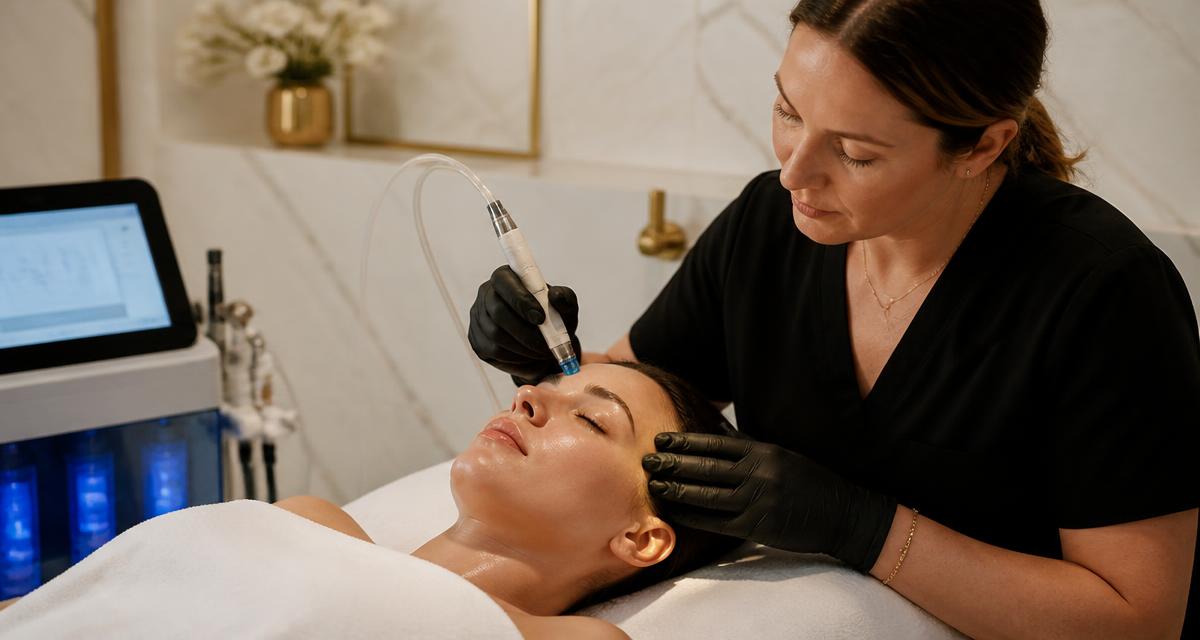
A beautiful, luminous complexion is rarely the result of chance; it is the product of thoughtful, intentional care. Chemical peels remain one of the most effective aesthetic treatments available for renewing texture, evening out hyperpigmentation, and restoring skin vibrancy. However, achieving that signature radiant finish is not solely about what happens during your appointment—it begins days, and sometimes weeks, before you step into our studio.
If you are wondering how to prepare for a chemical peel, understanding the chemistry of your skin barrier and how active clinical ingredients interact with it is essential. Proper prep ensures your skin receives maximum benefit from the treatment while reducing downtime and preventing unwanted irritation. At No Filter Medical Spa, located in the heart of Brickell, Miami, we treat pre-peel care as an integral half of the treatment process itself.
Here is everything you need to know to prepare your skin for a safe, comfortable, and transformative chemical peel experience.
Why Chemical Peel Preparation Matters
To understand why preparation is so critical, it helps to know how professional exfoliants work. Chemical peels utilize controlled, clinical-grade exfoliants—such as alpha-hydroxy acids (AHAs like glycolic or lactic acid), beta-hydroxy acids (BHAs like salicylic acid), or trichloroacetic acid (TCA)—to break down the intercellular glue holding dull, damaged skin cells together.
When your skin barrier is healthy, hydrated, and balanced prior to application, the acid solution penetrates evenly across the treatment area. Conversely, if your skin is inflamed, dehydrated, or micro-abraded from aggressive home products, the peel can absorb unevenly or penetrate too deeply in compromised areas.
Properly conditioning your skin prior to your appointment accomplishes several goals:
- Evens skin porosity: Ensures uniform absorption of the peel formulation.
- Strengthens the moisture barrier: Minimizes unnecessary redness, stinging, and prolonged recovery times.
- Reduces hyperpigmentation risk: Lowering active inflammation decreases the likelihood of post-inflammatory hyperpigmentation (PIH), particularly for richer skin tones.
- Maximizes treatment results: Allows active ingredients to deliver optimal brightness and refinement.
What to Do in the Days and Weeks Before Your Peel
Preparing your skin requires a steady, step-by-step approach. Depending on the depth of the peel you select, your provider may give you specific instructions, but these general guidelines serve as a trusted timeline.
Two Weeks Before: Protect and Balance
- Avoid Excessive Sun Exposure: Living in Miami means sun safety is always a priority, but in the two weeks leading up to your chemical peel, avoiding direct sun exposure is non-negotiable. Tanned or sunburned skin cannot undergo a chemical peel safely.
- Pause Invasive Facial Treatments: Refrain from laser resurfacing, microneedling, medium-depth peels, or intense dermal therapies.
- Discontinue Tanning Products: Avoid spray tans and self-tanning lotions on the facial area, as these can react unexpectedly with peel solutions.
One Week Before: Rest Active Ingredients
- Stop Retinoids and Prescription Topicals: Discontinue Tretinoin, Retin-A, Differin, Tazorac, and over-the-counter retinol products at least 5 to 7 days before your treatment.
- Pause Chemical and Physical Exfoliants: Put away home scrubs, cleansing brushes, and leave-on exfoliating serums containing glycolic, lactic, or salicylic acids.
- Avoid Hair Removal on the Face: Waxing, bleaching, depilatory creams, and electrolysis on the treatment zone should be avoided for 7 days prior to prevent raw, sensitive patches.
24 to 48 Hours Before: Hydrate and Soothe
- Focus on Barrier Hydration: Prioritize soothing formulations enriched with hyaluronic acid, ceramides, squalane, and glycerin.
- Avoid Shaving the Treatment Area: Avoid shaving your face right before your appointment to prevent micro-cuts that could sting during application.
- Stay Hydrated: Drink plenty of water to support cellular hydration from within.
What to Expect on the Day of Your Appointment
On the day of your appointment at our Brickell medical spa, the goal is simplicity. Arrive with clean skin, free of heavy makeup, rich serums, or self-tanners.
Your session begins with a detailed skin evaluation. Our experienced team, which you can learn more about on our about page, reviews your skin history, daily routine, and aesthetic goals to ensure the chosen peel formulation matches your individual needs.
During the treatment:
- Skin Cleansing & Prepping: Your provider thoroughly cleanses your face and applies a degreasing solution to remove excess oils, allowing the peel to absorb evenly.
- Peel Application: The solution is applied systematically. You may experience a mild warmth, tingling, or prickly sensation. This is a normal indicator that the clinical ingredients are actively exfoliating the superficial layers of the skin.
- Neutralization or Layering: Depending on the type of peel used, the solution may be neutralized in-office or left on the skin to self-neutralize over a set period at home.
- Soothing Finishing Touches: A soothing post-treatment balm and broad-spectrum physical sunscreen are applied before you leave.
Essential Post-Peel Aftercare Habits
Preparation sets the stage, but proper aftercare secures your results. Your post-peel regimen should keep your skin protected, calm, and hydrated while it completes its natural shedding process.
- Gentle Cleansing Only: Wash your face with lukewarm water and a mild, non-foaming cleanser for the first 5 to 7 days.
- Moisturize Frequently: Apply barrier-repairing creams whenever your skin feels dry, tight, or taut.
- Rigorous Sun Protection: Freshly exfoliated skin is extremely vulnerable to UV damage. Apply a broad-spectrum mineral SPF 30 or higher daily, and reapply throughout the day.
- Do Not Pick or Peel Skin: As shedding begins, resist the temptation to pull or peel loose skin. Allowing skin to slough off naturally prevents scarring and hyperpigmentation.
- Hold Off on Active Skincare: Wait until your provider clears you—usually 7 to 10 days post-treatment—before reintroducing retinoids, acids, or vitamin C.
Common Chemical Peel Prep Mistakes to Avoid
Even with the best intentions, subtle mistakes can compromise your chemical peel experience. Here are a few frequent errors to avoid:
- Underestimating Sun Exposure: Squeezing in a beach day right before your peel increases the risk of post-treatment redness and dark spots. Always disclose recent sun exposure to your provider.
- Over-Exfoliating to "Prepare": Some believe scrubbing their skin raw before a peel enhances results. In reality, it damages the lipid barrier and increases sensitivity.
- Omitting Your Skincare History: Always share your full product routine, medication history (such as recent Accutane use), and susceptibility to cold sores during your consultation.
- Choosing the Wrong Peel: Not all peels suit every skin type. Exploring our treatment menu is a great place to start, but selecting the precise strength requires professional guidance.
Elevate Your Skin Health in Brickell, Miami
Achieving smooth, clear, and glowing skin is a journey built on proper preparation, expert application, and tailored aftercare. When approached thoughtfully, a chemical peel is one of the most rewarding investments you can make for your complexion.
If you are ready to refresh your skin and want a personalized treatment plan tailored specifically to your skin type, we invite you to book a consultation at No Filter Medical Spa in Brickell, Miami. Let our dedicated aesthetic team guide you toward your radiant skin goals.
Disclaimer: The information provided in this article is strictly for educational and informational purposes and should not be taken as individualized medical advice. Results vary from person to person depending on skin type, health history, and adherence to prep and aftercare instructions. Always consult with a licensed aesthetic professional or healthcare provider before starting any new active clinical treatment.
This article is for general education only. It is not medical advice, results vary from person to person, and you should consult a licensed provider before starting any treatment.
Book a Consultation