laser
Laser Treatment Aftercare in the Sun
No Filter Medical Spa · October 17, 2026
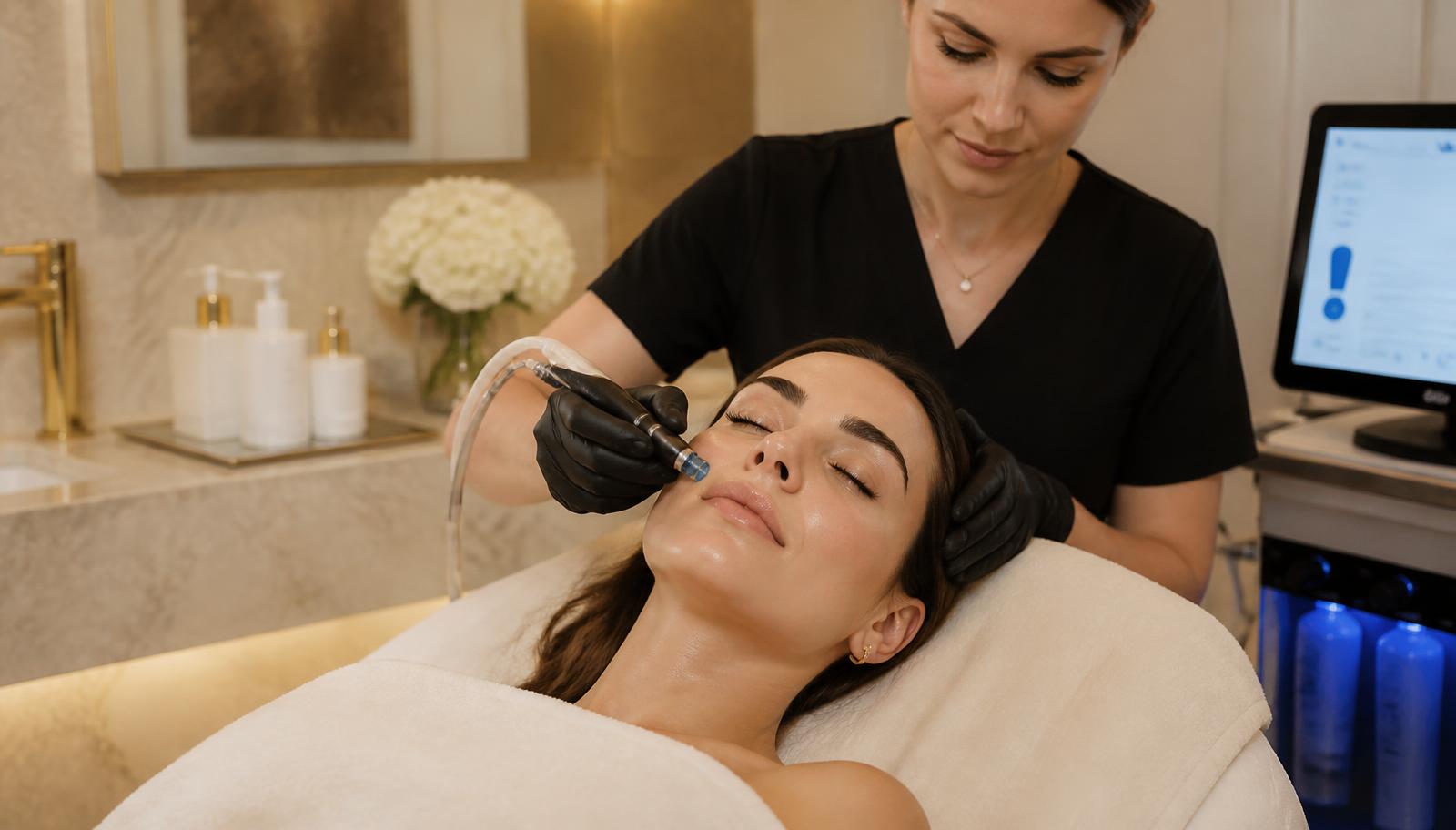
Laser skin rejuvenation is one of the most effective ways to address hyperpigmentation, fine lines, uneven texture, and collagen loss. However, the true success of any advanced laser procedure depends just as much on post-treatment care as it does on the technology used during the session. Understanding laser treatment aftercare in the sun is critical for safeguarding your skin, preventing unwanted side effects, and ensuring long-lasting, luminous results.
Living or spending time in South Florida means sun exposure is practically guaranteed. Whether you are commuting through urban neighborhood streets or relaxing along the coastline, knowing how UV light interacts with newly treated skin empowers you to enjoy your aesthetic journey safely.
What Laser Treatment Aftercare in the Sun Actually Is
At its core, post-laser sun aftercare is a structured protocol designed to protect vulnerable, healing skin from ultraviolet (UV) radiation and intense ambient heat.
When light-based energy or medical lasers interact with your skin, they create targeted thermal energy. Depending on the device—whether ablative, non-ablative, or intense pulsed light (IPL)—the procedure temporarily disrupts the epidermal barrier or creates micro-channels deep within the dermis to stimulate your body’s natural healing cascade.
While this process encourages fresh collagen production and cell turnover, it also leaves the treated area exceptionally delicate. During this post-procedure healing phase, skin experiences heightened photosensitivity (sensitivity to sunlight). Without deliberate protection, exposed skin is significantly more prone to:
- Post-Inflammatory Hyperpigmentation (PIH): Darkened patches that form when healing skin produces excess melanin in response to UV rays.
- Thermal Irritation: Prolonged sun heat can exacerbate redness, swelling, and lingering warmth in treated tissues.
- Compromised Barrier Function: UV exposure can slow down tissue repair and increase skin dryness or irritation.
Proper aftercare is not about avoiding the outdoors forever; rather, it is about implementing intelligent, physical, and topical protective measures while your skin’s defense system restores itself.
How Post-Laser Sun Protection Works, Step by Step
Protecting your skin after an aesthetic laser session involves a phased approach aligned with your skin’s biological healing timeline. To explore the range of therapies available, view our full menu of aesthetic services to understand which treatments require specific post-care attention.
Step 1: Immediate Defense (Days 1–3) During the initial 72 hours, your skin barrier is at its most compromised. Thermal energy is still settling, and micro-healing is actively underway. Strict Shade and Indoor Rest: Avoid direct sun exposure entirely. Stay indoors or under full cover when sunlight is at its peak intensity. Physical Barriers: If you must step outside, rely on broad-brimmed UPF 50+ hats, UV-blocking sunglasses, and physical shade rather than relying solely on sunscreen. * Gentle Hydration: Keep skin hydrated with rich, medical-grade occlusive balms or soothing creams recommended by your practitioner.
Step 2: Active Recovery (Days 4–14) As initial redness subsides and microscopic peeling or flaking begins, active topical protection becomes your primary tool. Mineral Sunscreen Application: Transition to a pure mineral (physical) sunscreen containing high concentrations of Zinc Oxide or Titanium Dioxide. Mineral formulas reflect UV rays away from the skin surface without absorbing heat into the tissue, making them far superior to chemical sunscreens during laser recovery. Frequent Reapplication: Apply sunscreen generously every two hours—or more frequently if you are near windows, driving, or exposed to indirect sunlight. * Heat Avoidance: Avoid activities that raise internal body temperature, such as hot saunas, strenuous workouts, or heavy sunbathing, as trapped heat can worsen lingering inflammation.
Step 3: Long-Term Maintenance (Week 3 and Beyond) Even after your skin looks completely healed on the surface, deeper dermal layers continue rebuilding. Continuing consistent broad-spectrum sun protection ensures your results remain bright, even, and refreshed for months to come.
Laser Treatment Aftercare in the Sun in Brickell, Miami
Executing proper laser aftercare requires a tailored approach when living in an environment characterized by high UV indices and intense humidity. Implementing laser treatment aftercare in the sun in Brickell, Miami presents unique environmental considerations that every patient should understand.
With year-round sunshine across South Florida, ambient UV light penetrates through vehicle windows, high-rise office glass, and shaded walkways. A brief walk down Brickell Avenue or a quick commute from Downtown Miami still delivers meaningful ultraviolet radiation to recovering skin. Furthermore, residents traveling from nearby coastal destinations like South Beach or inland areas in Broward County face consistent overhead exposure.
To manage aftercare effectively in this climate:
- Account for Indirect Light: Remember that sunlight bounces off concrete, water, and glass structures. A wide hat paired with physical mineral sunblock provides essential dual-layer protection.
- Manage Humidity and Sweat: High humidity can cause topical products to slip or melt away faster than in drier climates. Choose light, water-resistant physical sunblocks designed for humid environments, and reapply consistently.
- Plan Treatment Timing Wisely: Consider scheduling your advanced laser treatments around periods when you can realistically minimize outdoor leisure activities for 7 to 10 days.
Who Needs a Specialized Sun Recovery Plan?
Virtually anyone undergoing energy-based skin treatments requires a dedicated post-procedure sun plan. However, certain individuals and treatment types require heightened vigilance:
- Higher Fitzpatrick Skin Types (Types IV–VI): Skin with higher natural melanin content is naturally more prone to post-inflammatory hyperpigmentation when exposed to solar radiation after heat treatments.
- Patients Undergoing Deep Resurfacing: Ablative laser treatments that remove outer epidermal layers demand strict sun avoidance compared to lighter non-ablative treatments.
- Active Outdoor Lifestyles: Individuals who run, swim, or work outdoors must carefully integrate physical coverage into their daily routines.
At our practice, our expert clinical team carefully evaluates your skin profile, lifestyle, and upcoming plans to curate an aftercare protocol that fits seamlessly into your daily life.
Questions to Ask Your Licensed Provider
Before undergoing any laser therapy, a thorough consultation ensures you are fully prepared for the post-treatment process. Consider asking your provider the following questions:
- How many days before and after my session must I avoid direct sunlight?
- Which specific sunscreen formulas are safe to apply on open or micro-channeled skin?
- What physical barriers (hats, protective clothing) do you recommend for my specific procedure?
- How should I adjust my current active skincare routine (retinols, acids) around my treatment date?
- What signs of sun sensitivity or hyperpigmentation should prompt a follow-up visit?
Having clear, personalized guidance guarantees peace of mind throughout your aesthetic transformation.
Disclaimer: Individual results may vary based on skin type, treatment intensity, and adherence to post-care protocols. Always consult with a qualified, licensed medical provider to determine the safest treatment plan and aftercare strategy for your unique skin needs.
Ready to transform your skin with advanced laser technology while keeping it safe and protected? Visit the No Filter Medical Spa homepage to discover our state-of-the-art aesthetic treatments, or contact our team today to schedule your private consultation at No Filter Medical Spa in Brickell, Miami.
This article is for general education only. It is not medical advice, results vary from person to person, and you should consult a licensed provider before starting any treatment.
Book a Consultation