skin
Microneedling for Acne Scars: What to Expect & How It Works
Ashley Thompson · July 30, 2026
Acne is challenging enough when it is active, but the textured reminders it leaves behind—often in the form of pitted or uneven skin—can feel even trickier to address. If you have spent months or years experimenting with topical serums, exfoliants, or primers to smooth out post-breakout texture, you have likely encountered microneedling for acne scars.
As an aesthetic practitioner, one of the most rewarding aspects of skin health is guiding clients toward treatments that work in harmony with the body's natural restorative processes. Microneedling remains a gold-standard approach for textural refinement precisely because it does not rely on harsh resurfacing or synthetic fillers to achieve progress. Instead, it invites your skin to repair itself from within.
Whether you are curious about treating stubborn rolling scars, smoothing pitted areas, or simply understanding how collagen induction functions, this guide breaks down everything you need to know about microneedling for acne scars in clear, practical terms.
What Microneedling for Acne Scars Actually Is
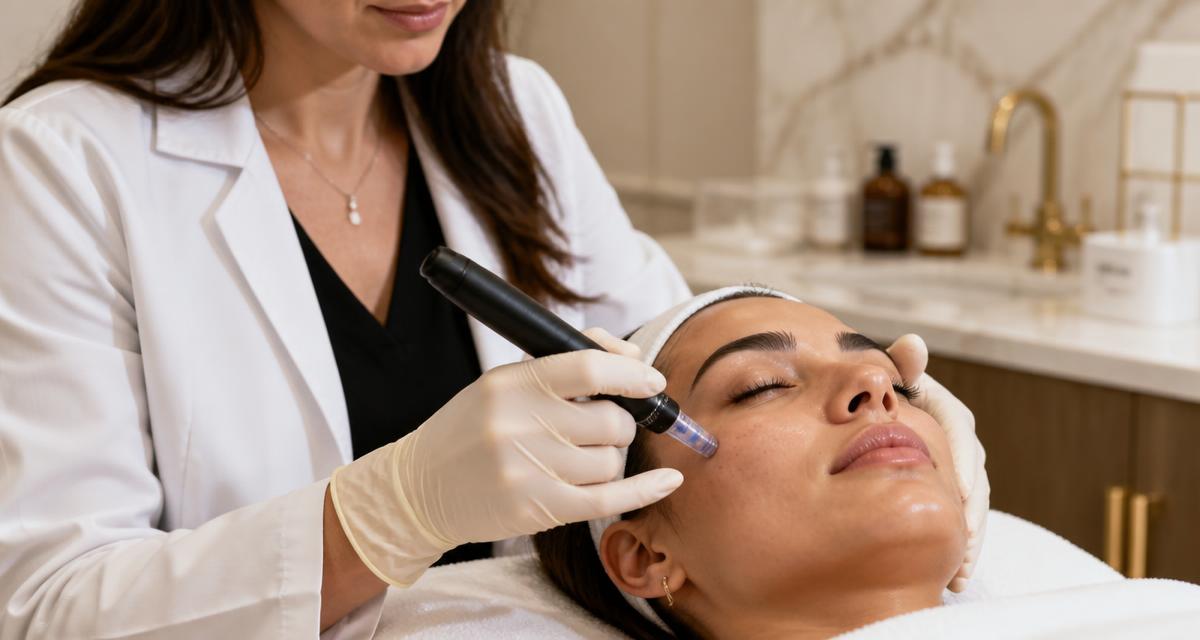
At its core, microneedling—also formally referred to as collagen induction therapy—is a minimally invasive aesthetic treatment designed to stimulate skin renewal. Using a specialized, medical-grade motorized device equipped with fine, sterile needles, a trained provider creates thousands of precise micro-channels in the upper layers of the skin.
When acne breakouts occur, severe inflammation can damage the underlying collagen network. As the skin heals, it often creates fibrous scar tissue or fails to produce enough collagen to lift the base of the pore, resulting in depressed acne scars (such as boxcar, rolling, or shallow ice-pick scars).
Microneedling gently disrupts this tethered tissue. By creating deliberate, highly controlled microscopic wounds, the treatment signals to your body that it is time to deploy its natural healing mechanism. Unlike aggressive chemical peels or deep resurfacing lasers that strip away entire top layers of epidermis, microneedling keeps the outer protective barrier largely intact while encouraging deep structural remodeling beneath the surface.
How the Treatment Works, Step by Step
To appreciate why microneedling for acne scars is so effective, it helps to understand the three primary phases of skin repair that take place after a session:
- The Inflammation Phase: Immediately following the micro-injuries, your immune system responds by increasing blood flow to the area, removing cellular debris, and initiating tissue repair. You might notice a temporary warm, flushed appearance—similar to a mild sunburn—which is a completely normal sign that the cascade has begun.
- The Proliferation Phase: Within days, new cells begin to rebuild the extracellular matrix. Fibroblasts—the primary cells responsible for structural integrity—start producing new collagen and elastin fibers. Temporary micro-vascular networks form to carry fresh nutrients to the healing tissue.
- The Remodeling Phase: Over the following weeks and months, the newly formed tissue undergoes maturation. Collagen reorganizes and shifts into resilient, structured fibers that tighten and lift the treated area. As this fresh collagen fills in the micro-depressions caused by past breakouts, the depth of acne scars gradually softens, creating a noticeably smoother surface profile.
Who Should Consider Microneedling for Scars?
Microneedling is remarkably versatile, making it a popular option for a wide array of skin types and tones. However, determining if it is the right path for your skin depends on several key factors:
- Healed Active Acne: Microneedling is designed for post-acne scarring, not active inflammation. Passing fine needles over active pustules or cystic breakouts can spread bacteria across the face and exacerbate breakouts. Ideally, your skin should be clear of active, inflammatory acne before starting a series.
- Textural Depressions: Candidates who benefit most are those dealing with atrophic (depressed) scarring, such as rolling or shallow boxcar scars. It is also exceptionally beneficial for overall rough texture and enlarged pores.
- All Skin Tones (Fitzpatrick Types I–VI): Unlike certain high-heat lasers that carry a higher risk of post-inflammatory hyperpigmentation (PIH) in darker skin tones, mechanical microneedling does not rely on thermal energy. This makes it a safer, reliable choice for medium to deep skin tones when performed by an experienced provider.
If you are unsure where your skin falls on the spectrum, exploring about our clinical philosophy and scheduling a comprehensive skin assessment is always the safest first step.
What a Typical Microneedling Session Looks Like
If you decide to pursue microneedling for acne scars, knowing what to expect can eliminate any anxiety surrounding the process. A standard session at a professional clinic typically follows these steps:
- Preparation & Numbing: Your provider begins by thoroughly cleansing your skin. To ensure maximum comfort, a medical-grade topical numbing cream is applied and left to sit for approximately 30 to 45 minutes.
- The Treatment: Once the area is completely numb, the numbing agent is gently removed and an antiseptic solution is applied. A hydrating glide—often containing high-molecular-weight hyaluronic acid or restorative growth factors—is swept across the skin. The provider then glides the medical-grade device across target zones, adjusting needle depth based on the specific thickness of your skin and the severity of the scarring in each region.
- Soothing Application: After the microneedling passes are complete, additional calming serums or a soothing mask may be applied to hydrate the skin and accelerate recovery.
- Post-Care & Downtime: You can expect mild redness and slight tightness immediately after, similar to a moderate sunburn. Most clients find that the majority of redness subsides within 24 to 48 hours. During this period, you will keep the skin clean, skip heavy makeup or direct sun exposure, and stick to a gentle, hydrating home care routine provided by your practitioner.
To view our full menu of skin health options or learn how microneedling fits into a tailored routine, visit our treatment menu.
Questions to Ask Your Licensed Provider
Choosing the right practitioner is just as crucial as choosing the right treatment. Before booking your appointment, consider asking these insightful questions during your initial consultation:
- What device do you use, and is it FDA-cleared? Always ensure your provider uses a professional, medical-grade device with single-use, sterile needle cartridges.
- How many sessions do you recommend for my specific type of scarring? While single sessions refresh tone, acne scar revision typically requires a planned series of sessions spaced several weeks apart for optimal collagen build-up.
- How do you adjust needle depth across different areas of the face? Facial skin varies in thickness; delicate areas like the forehead or eye perimeter require shorter depths than the thicker tissue of the cheeks where scars often reside.
- Can microneedling be combined with other therapies for enhanced results? In some cases, combining microneedling with targeted topical serums, light therapy, or platelet-rich plasma (PRP) can complement the skin's natural response.
Reclaiming smooth, resilient skin after dealing with acne is a journey of patience and precise care. Microneedling offers a thoughtful, scientifically grounded method to rebuild your skin's natural structure from the inside out.
If you are based in South Florida and ready to discuss whether microneedling for acne scars aligns with your skin goals, we welcome you to visit us at No Filter Medical Spa in Brickell, Miami. Our dedicated aesthetic team takes the time to analyze your skin, understand your history, and craft a realistic, custom treatment plan designed just for you.
Disclaimer: The information provided in this article is for educational purposes only and should not be taken as individualized medical advice. Results from aesthetic treatments vary from person to person based on age, skin condition, and compliance with post-care instructions. Always consult with a licensed healthcare or aesthetic provider to determine the best treatment plan for your specific skin needs.
This article is for general education only. It is not medical advice, results vary from person to person, and you should consult a licensed provider before starting any treatment.
Book a Consultation